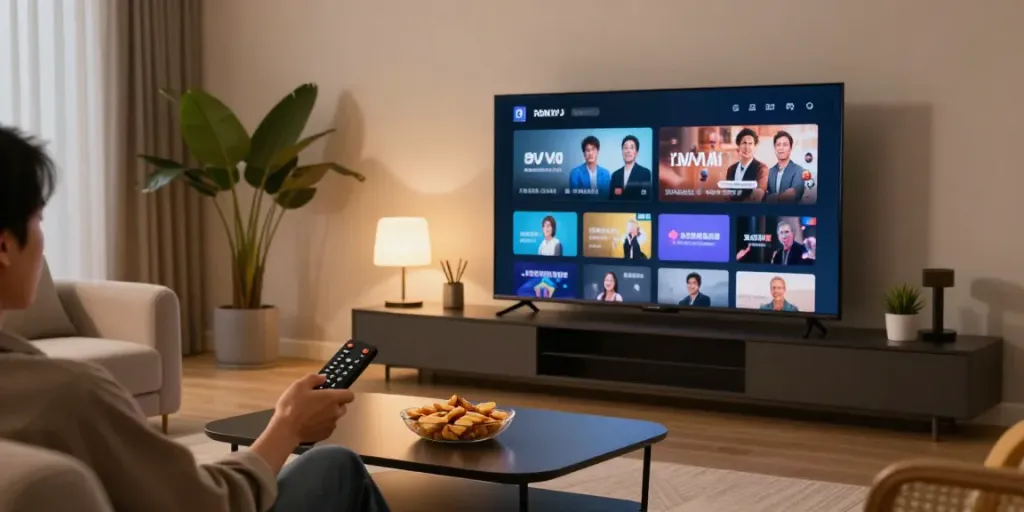
Understanding IPTV and Its Benefits
In an era where digital streaming has become the cornerstone of entertainment consumption, Internet Protocol Television (IPTV) is leading the charge as an alternative to traditional cable services. With the advancement of technology and shifts in consumer preferences, understanding IPTV and its benefits is crucial for anyone looking to enhance their viewing experience. IPTV allows users to stream television content over the internet, providing a myriad of channels that can be tailored to individual viewing habits. With a growing number of options available in the market, selecting a suitable Iptv Provider can significantly impact your viewing enjoyment and satisfaction.
What is IPTV and How Does It Work?
IPTV stands for Internet Protocol Television, which delivers television programming and other multimedia content through the internet instead of traditional terrestrial, satellite, or cable formats. The key to IPTV is that it uses the same internet connection that you use for browsing and other online activities. When you subscribe to an IPTV service, the provider transmits the content over this internet connection, allowing you to watch live TV shows, movies, and even on-demand content.
IPTV works by breaking down video content into small data packets that are sent over the internet to your device. When you select a channel or show, it requests the data packets from the server, which are then reassembled on your device to display the video. This model allows for a more interactive and customizable viewing experience since users can choose what, when, and how they want to watch.
Key Advantages of Choosing an IPTV Provider
IPTV offers numerous advantages over traditional cable television services. Here are some standout benefits:
- Flexibility and Convenience: With IPTV, you're not tied to a specific channel lineup or schedule. You can easily access a variety of channels and content on demand, making it perfect for today’s busy lifestyles.
- Cost-Effective Solutions: Many IPTV providers offer subscription plans that are more affordable compared to traditional cable services, with no hidden fees and sometimes even fewer monthly commitments.
- High-Quality Streaming: IPTV can deliver HD and 4K content, enabling a superior viewing experience without the signal loss often associated with traditional cable.
- Access to International Channels: With many IPTV services, you can access international channels, giving you exposure to global entertainment.
- Interactivity: IPTV services often come with interactive features like video-on-demand, catch-up TV, and settings that allow for personalized viewing profiles.
IPTV vs. Traditional Cable: A Comparative Analysis
When considering the shift from traditional cable to IPTV, it’s essential to understand the key differences:
- Installation: Traditional cable requires physical installation, including the setup of cable boxes and wiring; IPTV primarily requires an internet connection and may only need a compatible device.
- Channel Availability: While cable often offers a fixed number of channels, IPTV can provide a wider range of options, including niche channels and on-demand content.
- Contract Obligations: Cable companies often require long-term contracts, while many IPTV services offer month-to-month plans, allowing for greater flexibility.
- Hardware: IPTV can be streamed on various devices such as smart TVs, smartphones, tablets, and computers, while cable services typically require specific set-top boxes.
Choosing the Right IPTV Provider in 2026
Selecting the right IPTV provider can significantly enhance your viewing experience. The market is diverse, and various providers offer different features and content. It's essential to research and consider key factors before making a decision.
Factors to Consider When Selecting an IPTV Provider
Here are some important factors to evaluate when choosing an IPTV provider:
- Content Variety: Ensure the provider offers a robust lineup of channels that align with your interests. Look for niche channels if you have particular preferences.
- Streaming Quality: Research the quality of the streams provided; look for providers that offer HD and 4K options.
- Customer Support: A responsive customer service team is vital for resolving issues quickly, so check reviews and ratings regarding their support services.
- Pricing Models: Compare subscription plans to find one that fits your budget, while also ensuring you’re getting value for your money.
- Device Compatibility: Confirm that the IPTV service is compatible with the devices you plan to use. Look for services that support multiple platforms for added flexibility.
Top IPTV Providers Reviewed for 2026
Here are some of the standout IPTV providers for 2026 that have garnered positive reviews:
- DigitaLine IPTV: Known for its reliability and strong channel lineup, making it a favorite for families.
- StreamKing IPTV: Best suited for sports lovers due to its extensive sports channel offerings and live coverage.
- NovaStar IPTV: Offers a diverse range of international channels, appealing to audiences who enjoy global content.
Understanding Pricing Models and Plans
IPTV pricing can vary significantly based on the features offered. Common pricing models include:
- Monthly Subscriptions: The most common, where users pay a monthly fee for access.
- Annual Plans: Often come with discounts; users pay upfront for a full year.
- Pay-Per-View: Ideal for those interested in specific events, allowing users to pay only when they wish to view content.
When evaluating plans, consider not just the cost, but also what channels and features are included.
Common Misconceptions About IPTV
Despite the benefits and growing popularity of IPTV, several misconceptions persist. Understanding these will help potential customers make informed decisions.
Debunking Myths Surrounding IPTV Providers
- Myth 1: IPTV is illegal. Many IPTV providers operate legally, subscribing to licensing agreements to broadcast content.
- Myth 2: IPTV is only focused on live TV. In reality, most providers offer a mix of live TV, on-demand content, and recording options.
- Myth 3: IPTV is complicated to set up. While initial setup may require some tech-savviness, many services offer user-friendly apps and guides that simplify the process.
Legal Considerations for IPTV Usage
When opting for an IPTV provider, it's crucial to ensure that the service complies with local laws and regulations. Illegal IPTV services may offer enticing prices but can lead to legal repercussions or poor service quality. Always choose providers that are transparent about their licensing and content sourcing.
Technology Challenges and Solutions
IPTV users may face several technical challenges, including buffering and connectivity issues. To mitigate these challenges:
- Upgrade to a high-speed internet connection.
- Use a wired connection instead of WiFi for better stability.
- Ensure your streaming device meets the technical specifications required by the IPTV service.
Enhancing Your IPTV Experience
To fully leverage your IPTV service, consider implementing a few enhancements that can elevate your streaming experience.
Essential Devices for Optimal IPTV Streaming
Utilizing the right devices can significantly enhance your IPTV experience. Here are some recommended devices:
- Smart TVs: Many come with built-in IPTV apps for direct access to your service.
- Streaming Media Players: Devices like Roku, Amazon Fire Stick, or Apple TV can transform a regular TV into a smart TV, giving access to IPTV apps.
- Tablets and Smartphones: Perfect for on-the-go viewing, especially if your IPTV service offers a mobile app.
Tips for Improving Streaming Quality
To ensure you get the best quality from your IPTV service, consider the following tips:
- Regularly check your internet speed and ensure it meets or exceeds the recommended speed for your IPTV provider.
- Minimize the number of devices using the internet simultaneously to reduce bandwidth strain.
- Use a VPN if you experience regional restrictions on content or to enhance security.
Integrating IPTV with Home Entertainment Systems
For a seamless viewing experience, integrate your IPTV with your home entertainment system. This can involve:
- Connecting your IPTV box or streaming device to your sound system for better audio quality.
- Utilizing universal remotes that can control multiple devices, including your TV, sound system, and IPTV service.
The Future of IPTV Providers
IPTV is rapidly evolving, and its future looks promising. With advancements in technology and shifts in consumer behavior, several trends are emerging.
Emerging Trends in IPTV Technology for 2026
Some key trends to watch include:
- Increased Use of Artificial Intelligence: AI is set to personalize content recommendations based on user preferences and viewing habits.
- Enhanced User Interfaces: More intuitive and user-friendly interfaces will make navigation easier for consumers.
- Expansion of 5G Technology: With the rollout of 5G, streaming quality and speed are expected to improve significantly, making IPTV more accessible.
The Role of Artificial Intelligence in IPTV Services
AI plays a pivotal role in enhancing user experience by delivering tailored content suggestions and optimizing streaming performance. It can also aid in effective customer support automation, thus improving service reliability.
Predictions for the IPTV Market in the Next Five Years
As we look ahead, the IPTV market is expected to grow exponentially, driven by the increasing demand for flexible and diverse content delivery options. Innovations in technology will likely lead to improved services, more competitive pricing, and further expansion into international markets as providers strive to meet consumer expectations.